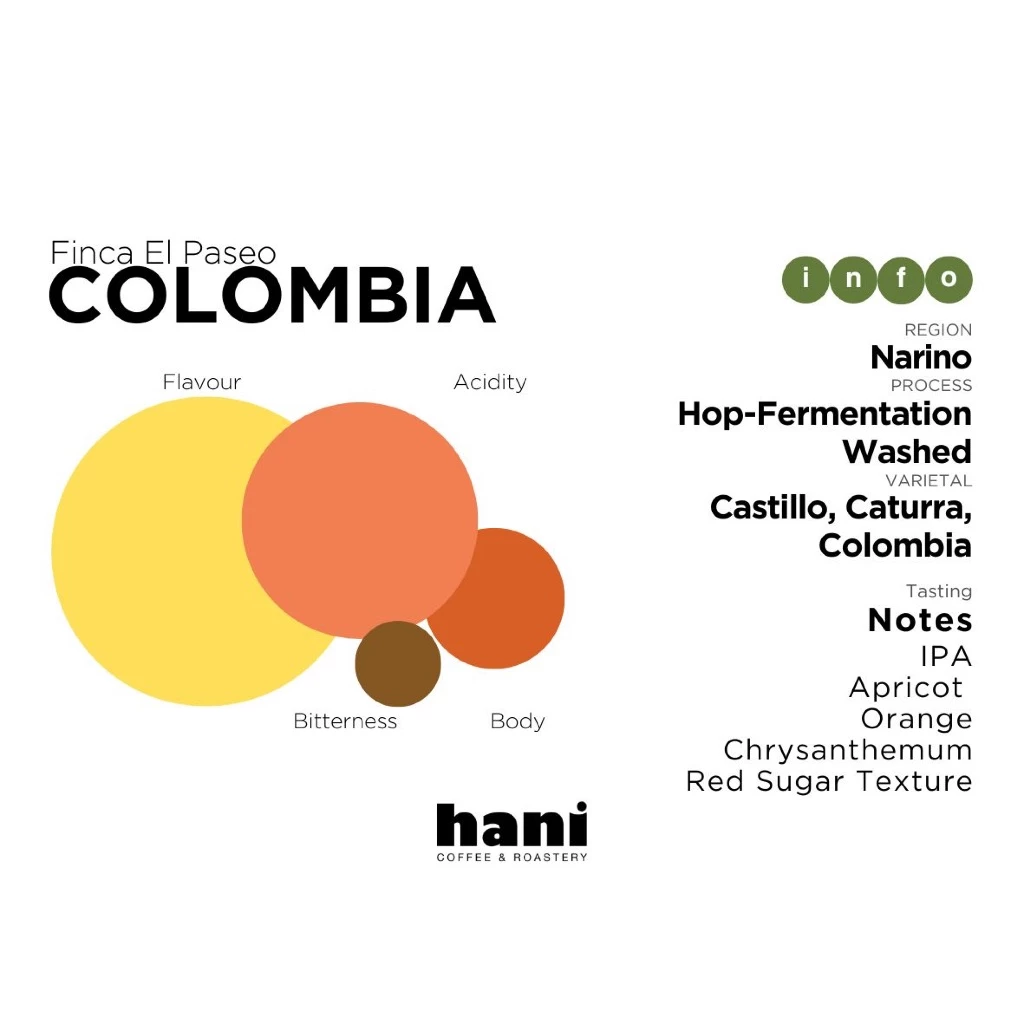
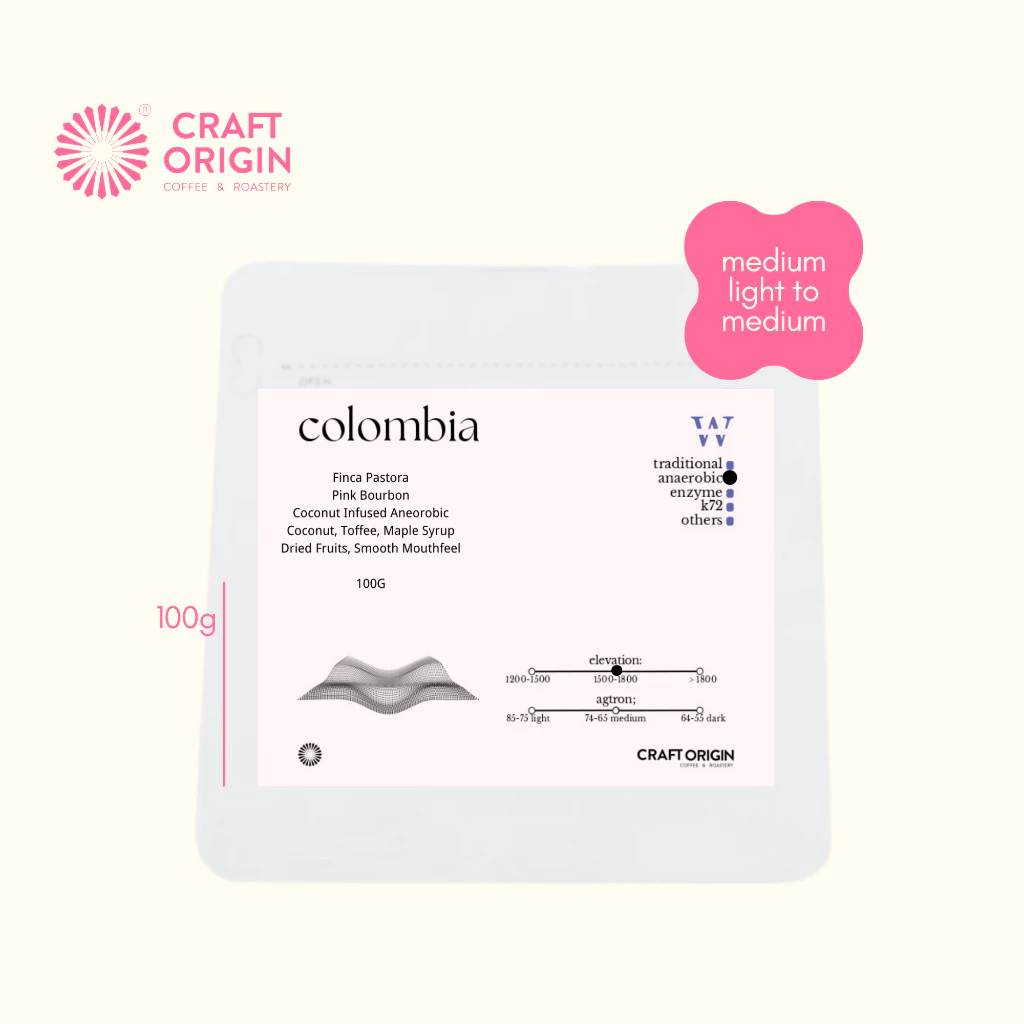
Anaerobic and fermentation process coffee beans are the most exciting — and most divisive — corner of specialty coffee right now. The beans on this page have all been fermented in some kind of controlled, oxygen-restricted environment, usually inside sealed plastic or stainless steel tanks, before being dried as either natural, honey or washed lots.
The technique started picking up properly around 2015, with producers in Colombia, Costa Rica and Ethiopia experimenting with anaerobic and carbonic maceration tanks borrowed from the wine industry. By controlling oxygen, temperature, pH and time, producers can guide which microorganisms work on the cherry — yeasts, lactic acid bacteria, acetic acid bacteria — and the resulting flavour compounds get absorbed into the bean.
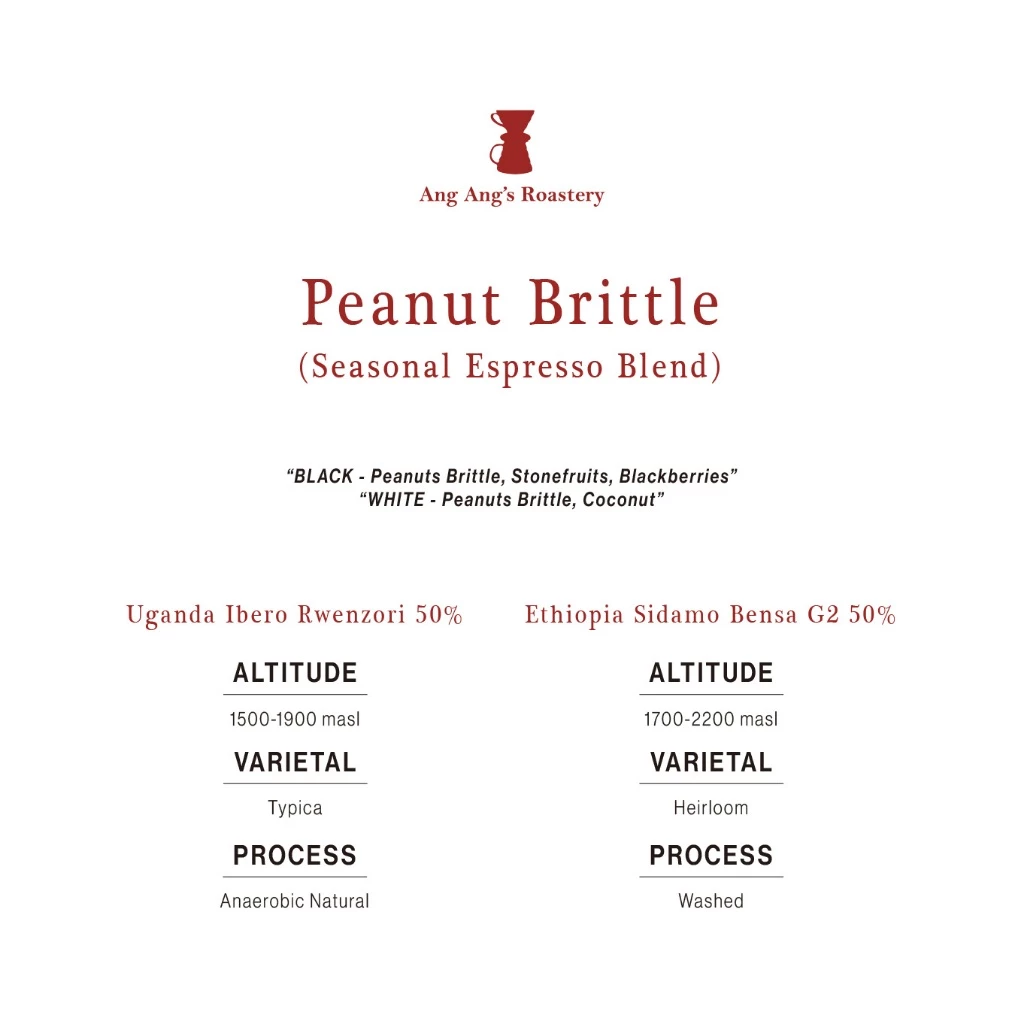
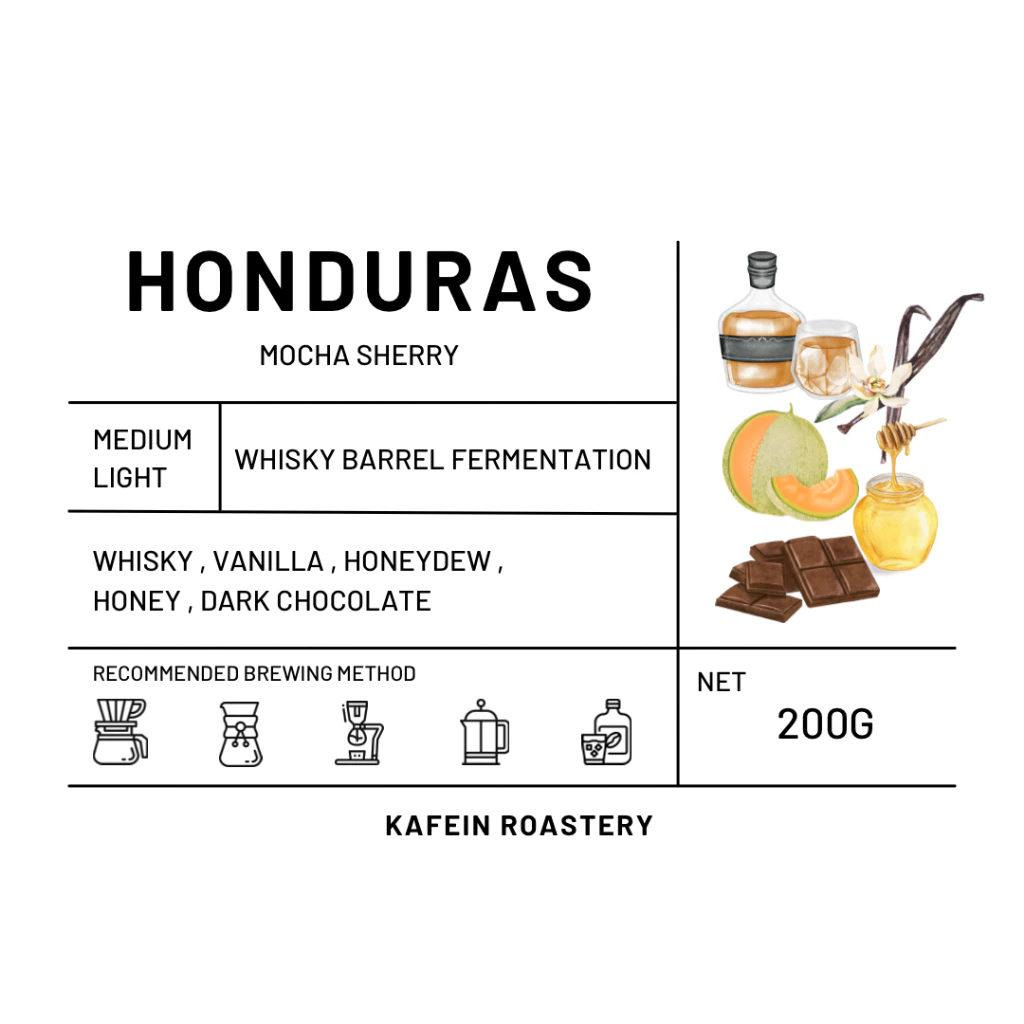
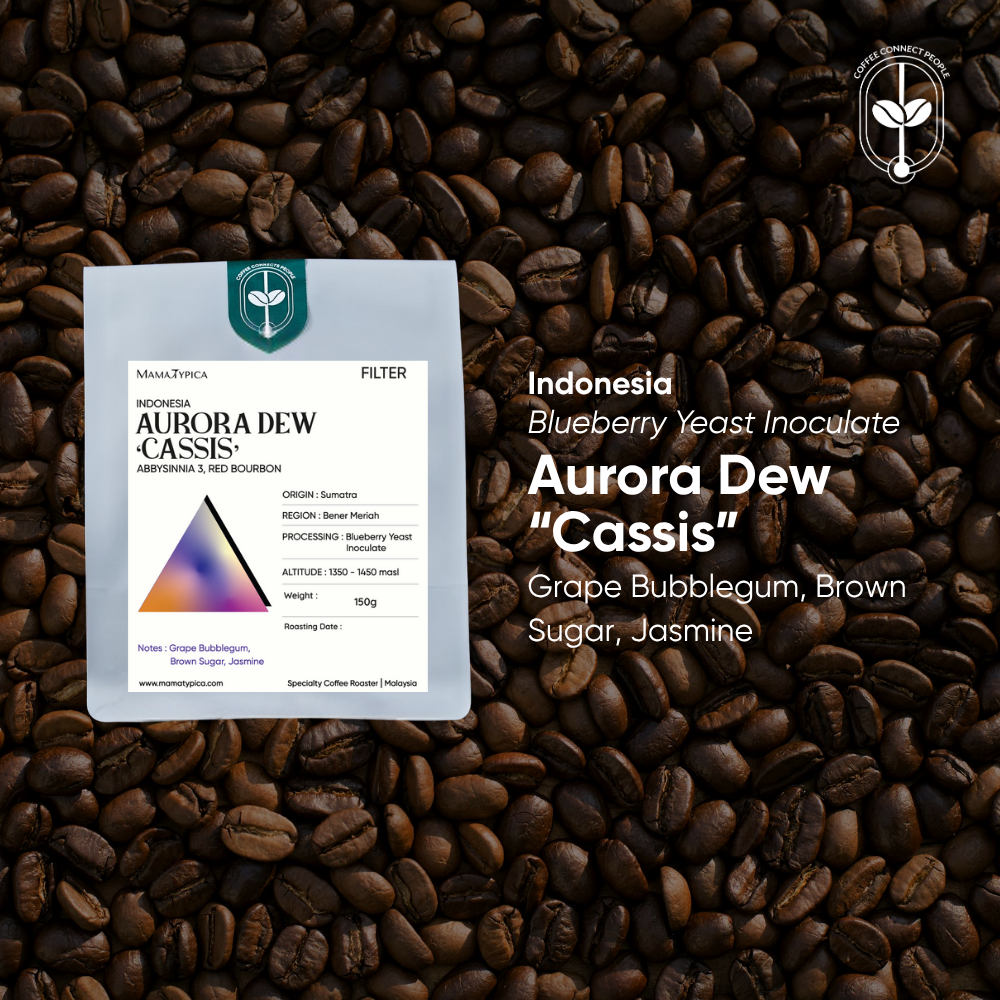
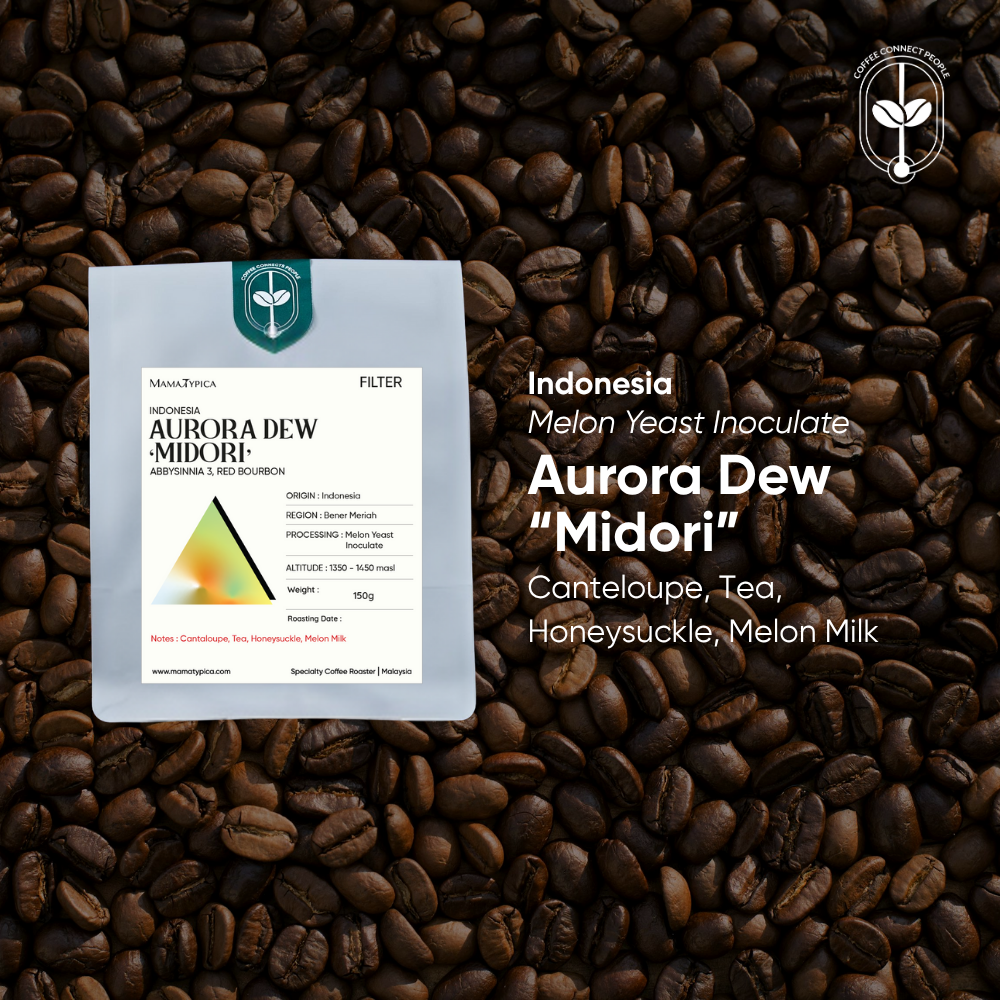
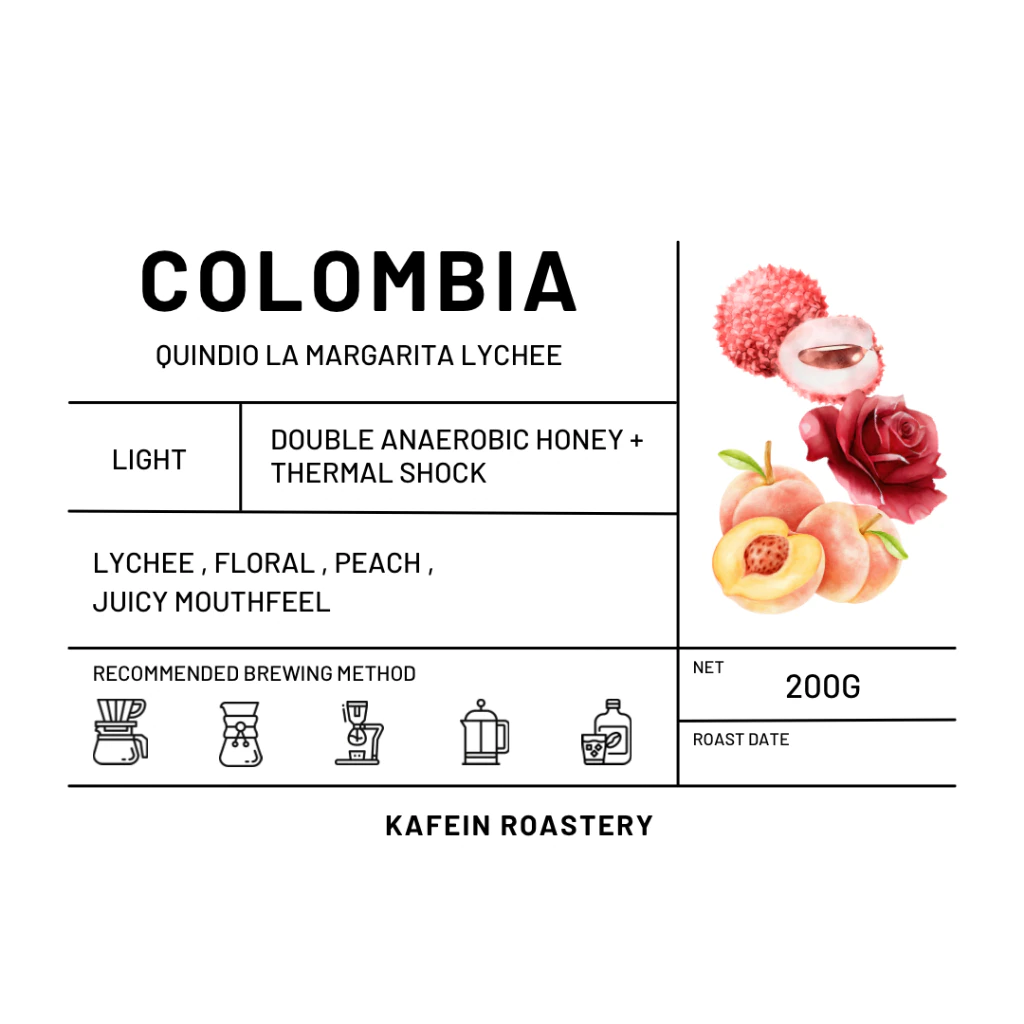
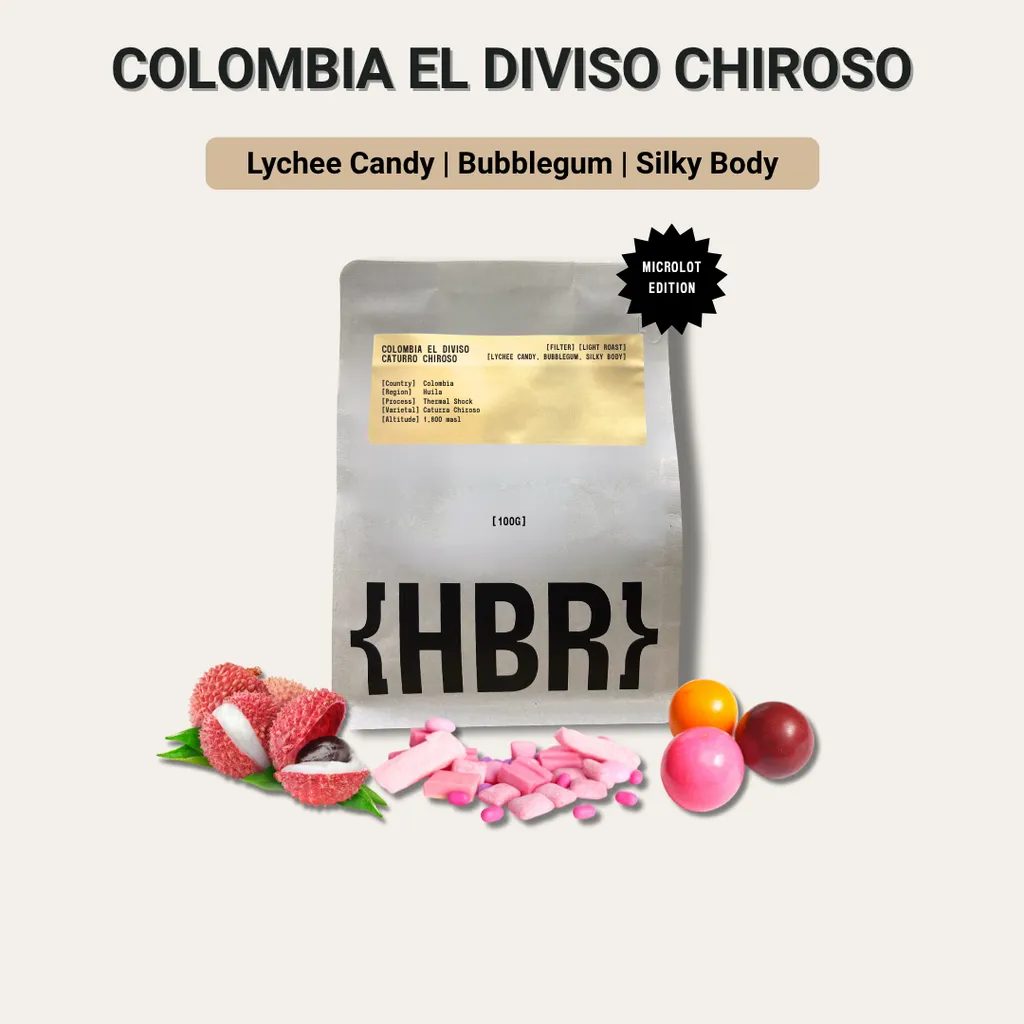
Expect intense, unusual cups. Common notes include tropical fruit (passion fruit, lychee, mango), red wine, whisky, strawberry candy, ripe banana, cinnamon, jasmine, and sometimes a deep boozy or fermented-fruit funk. Sub-styles you'll see on the labels include anaerobic natural, anaerobic washed, carbonic maceration, co-fermentation, thermal shock, lactic ferment, and yeast-inoculated lots.
The trade-off is price and consistency. Good experimental ferments cost more because they're harder to produce, harder to control, and command higher specialty grades. Bad ones taste like solvent or rotting fruit. Stick with reputable producers and roasters.
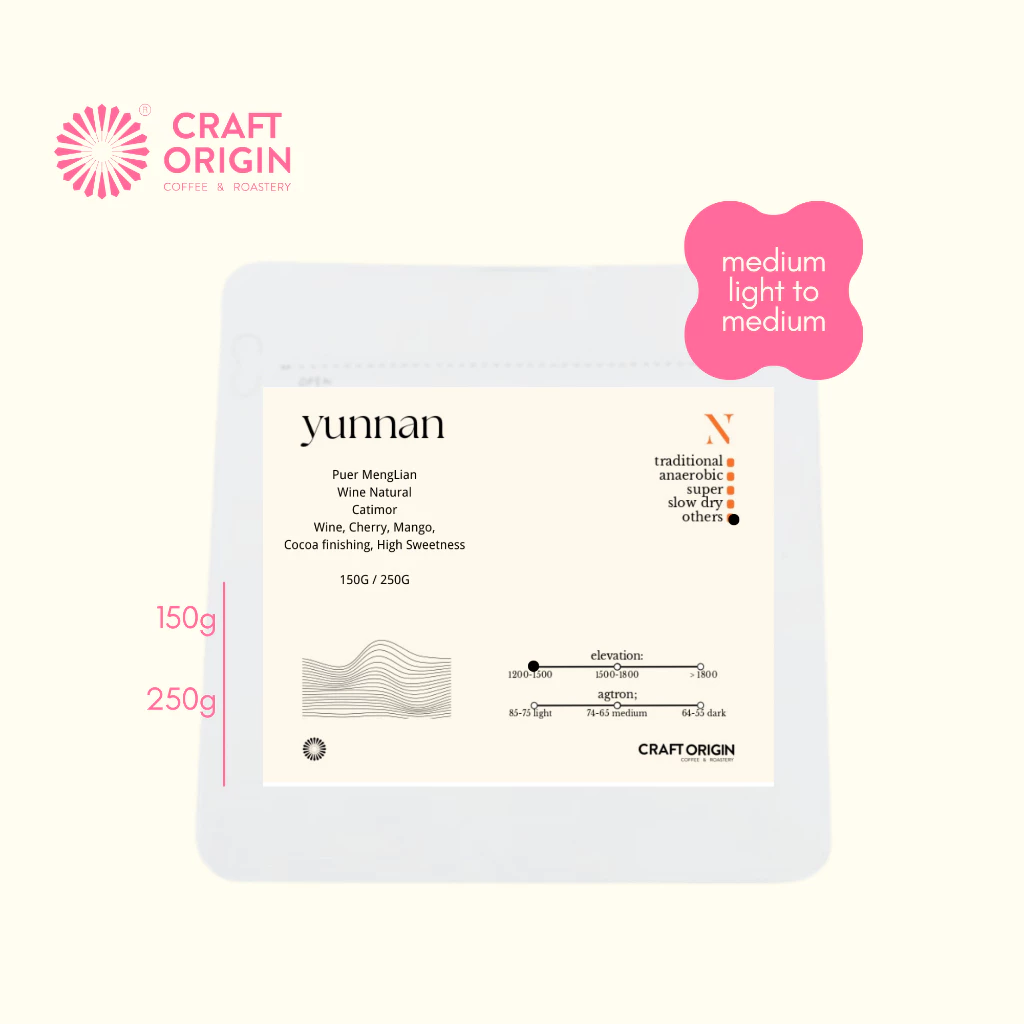
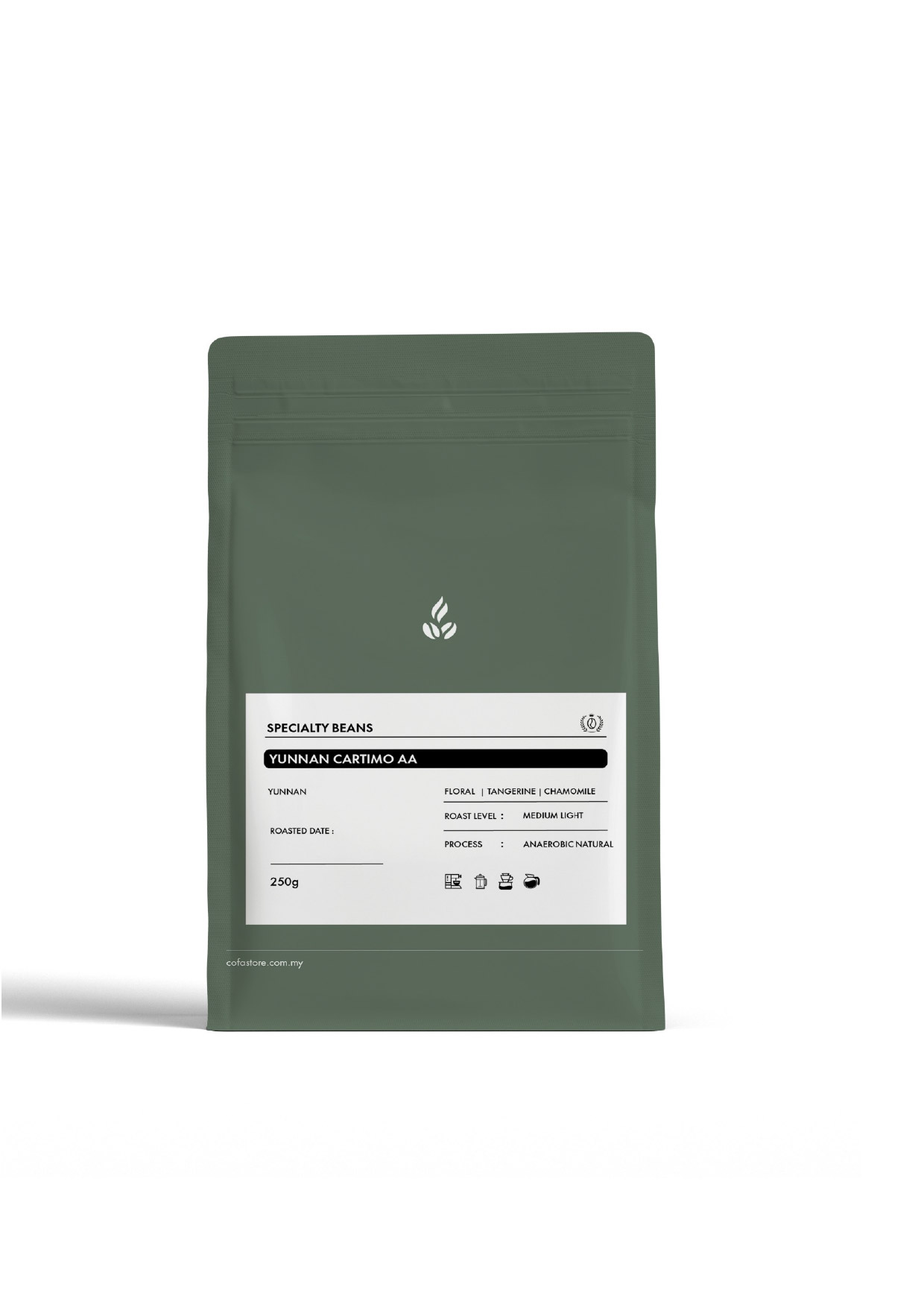
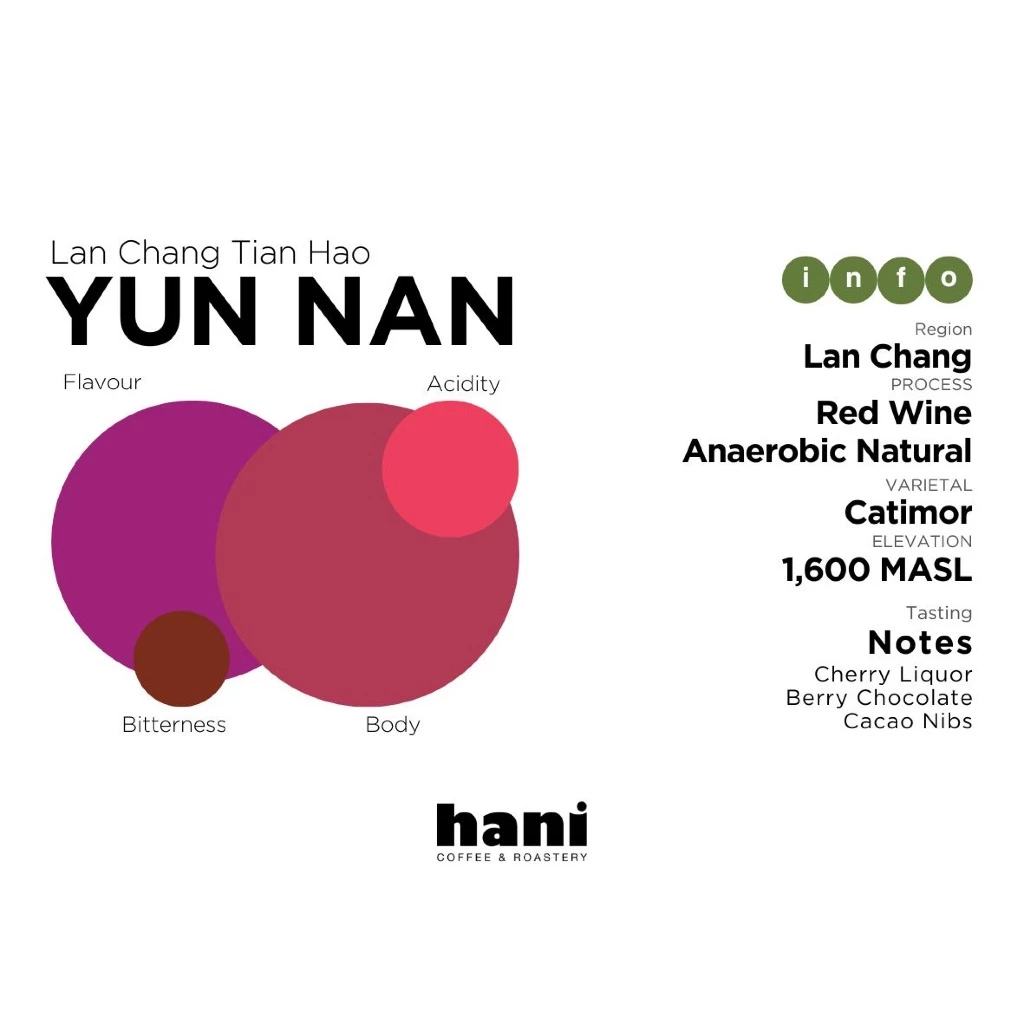
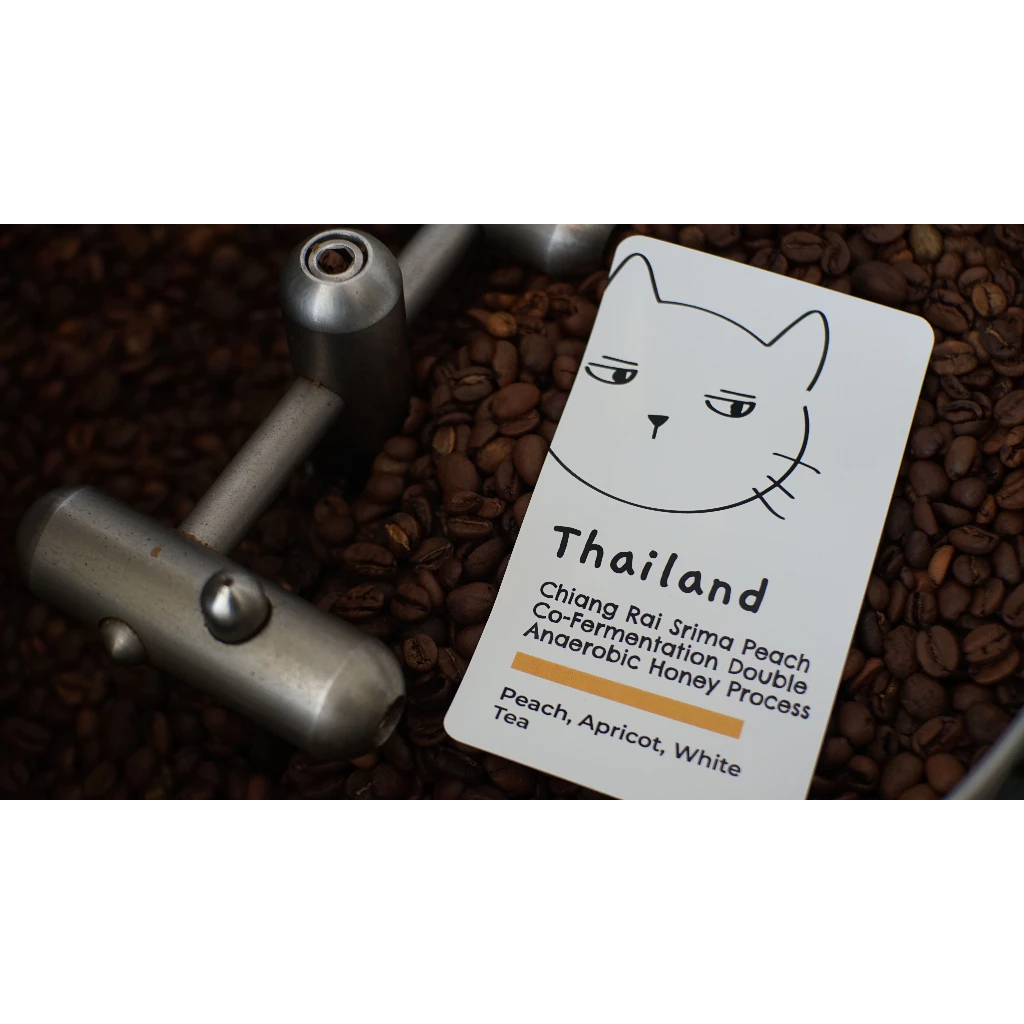
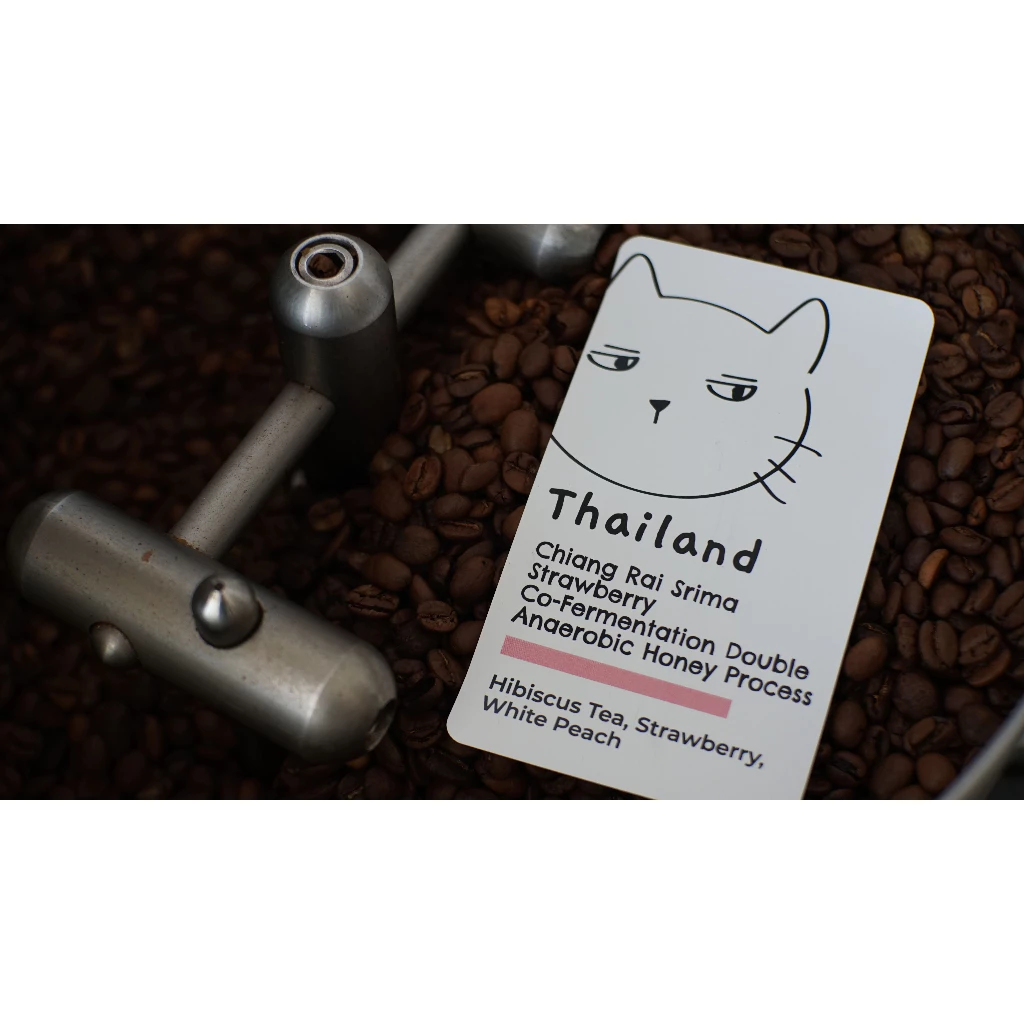
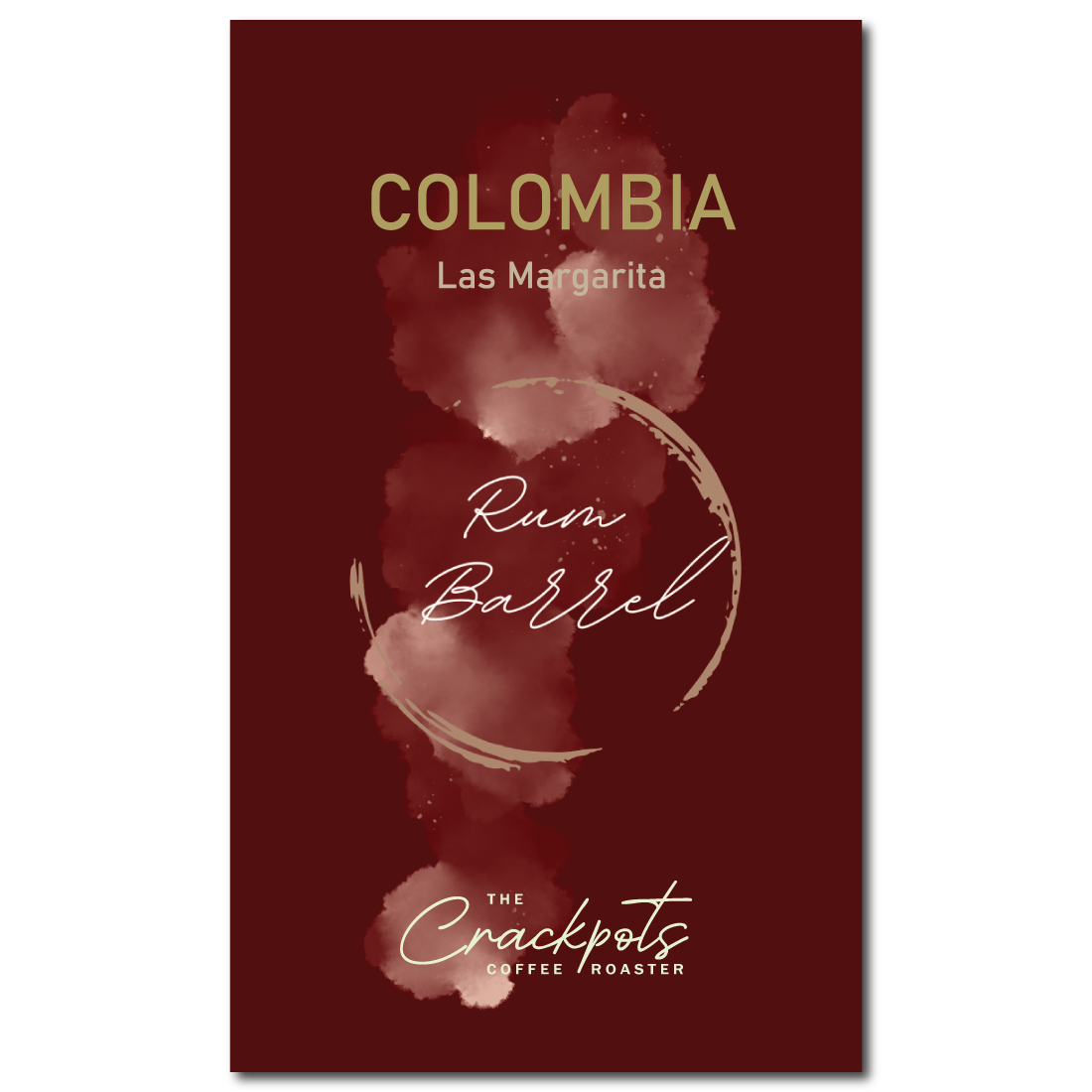
This section includes fermented lots from across origins — Colombian co-fermentation, Yunnan anaerobic naturals, Ethiopian carbonic maceration, Thai whisky-barrel ferments and more. If you want to taste where coffee is heading next, this is where you start. Browse below, or back to the full shop.
Browse Anaerobic & Fermented Coffee Beans
Anaerobic, carbonic maceration, co-fermentation and barrel-aged lots — the experimental edge of specialty coffee.
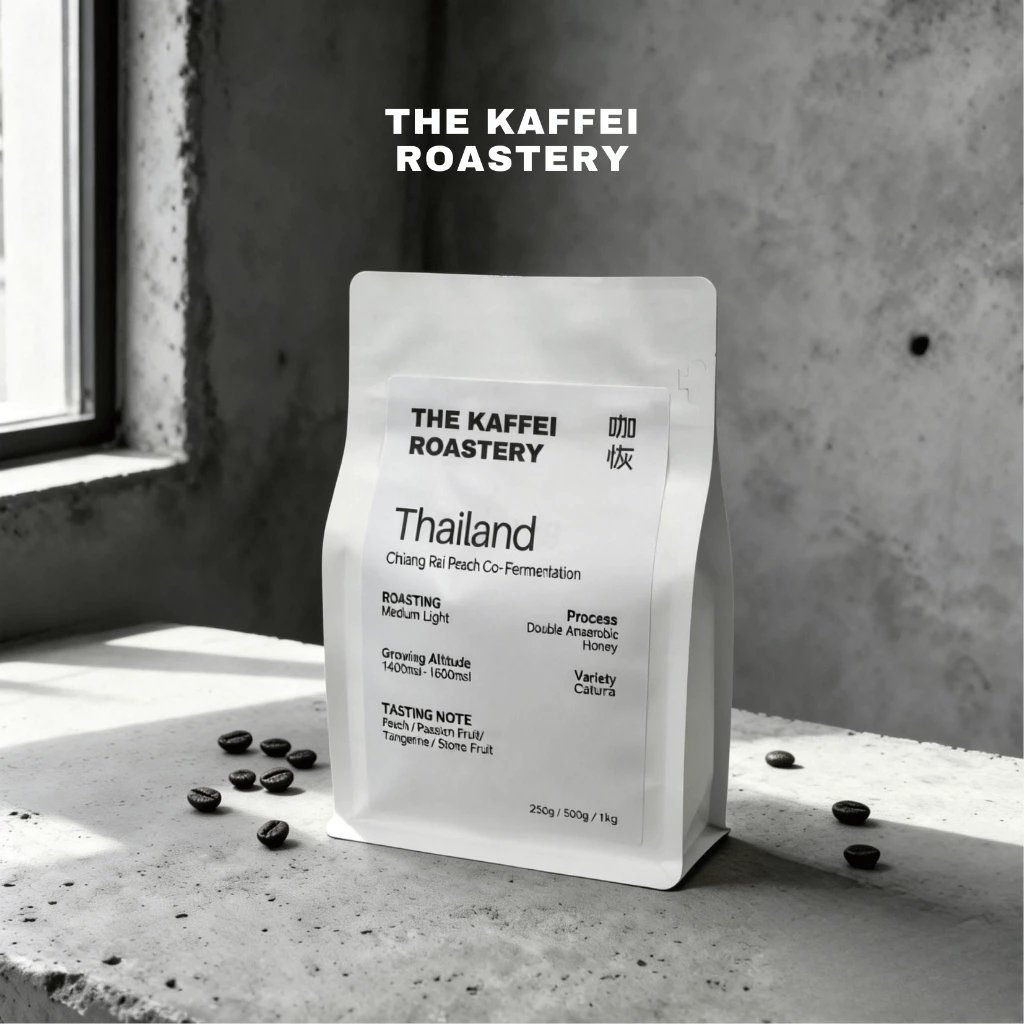

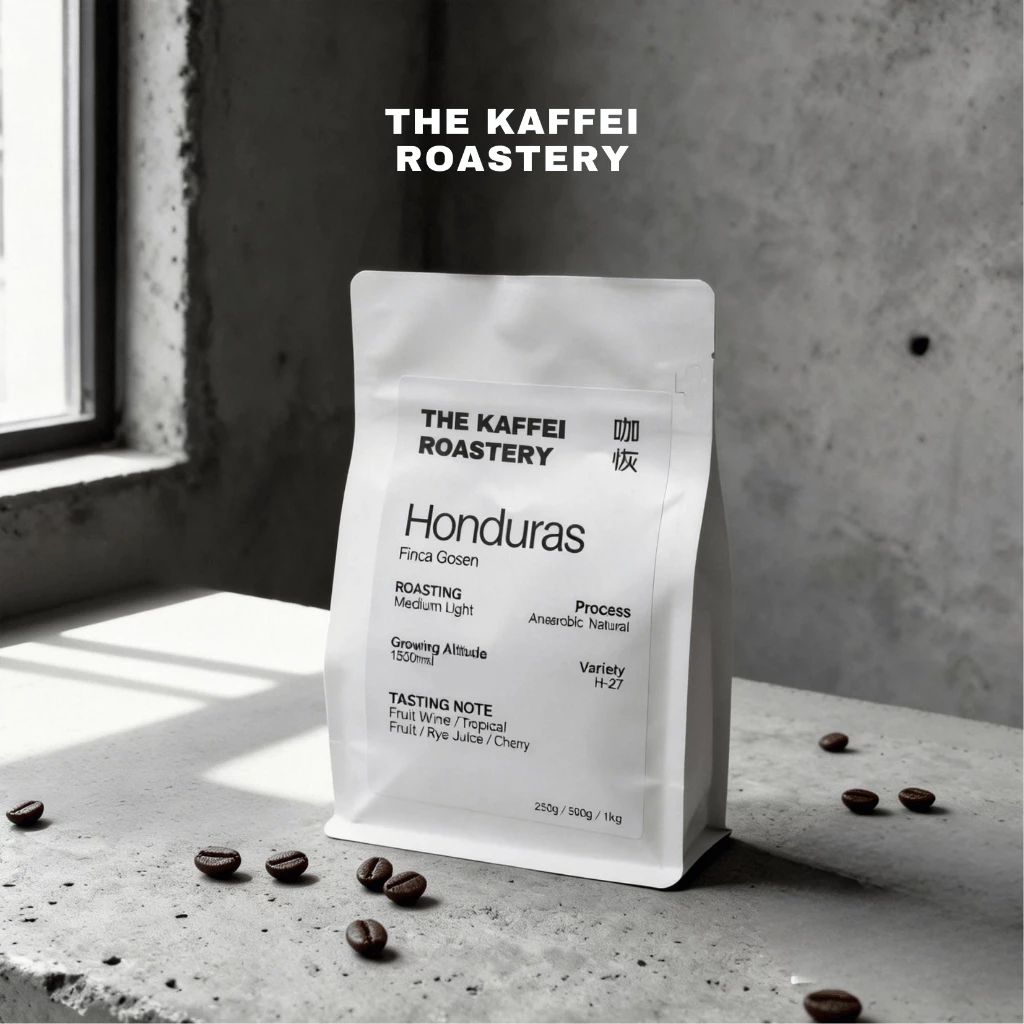

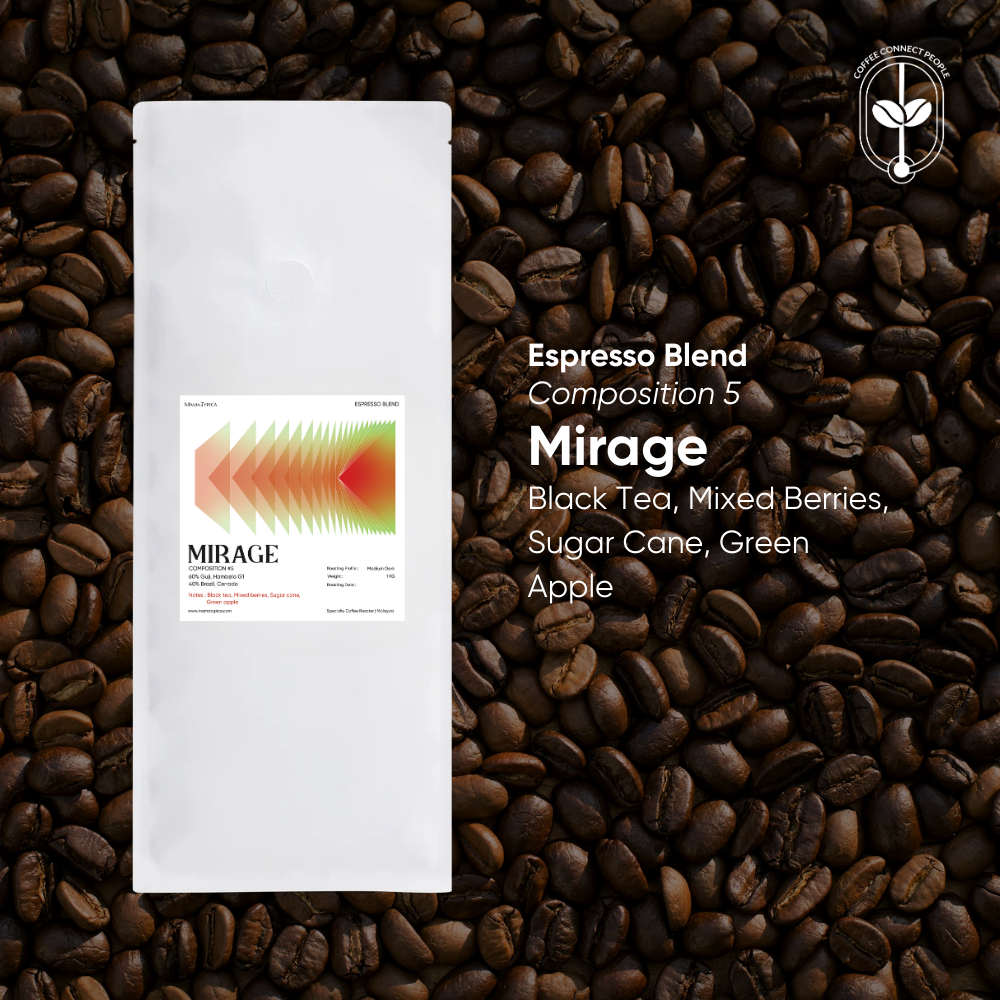


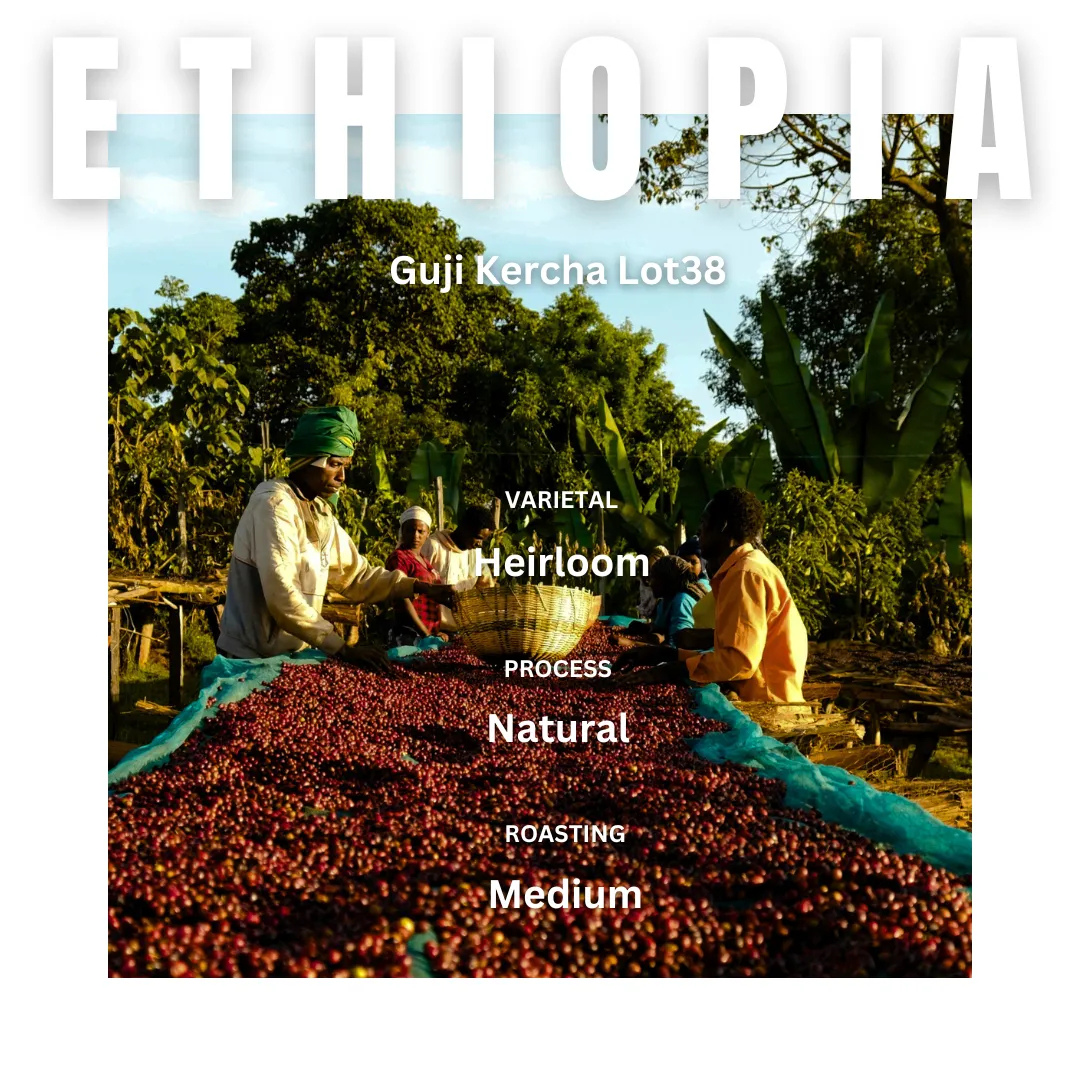




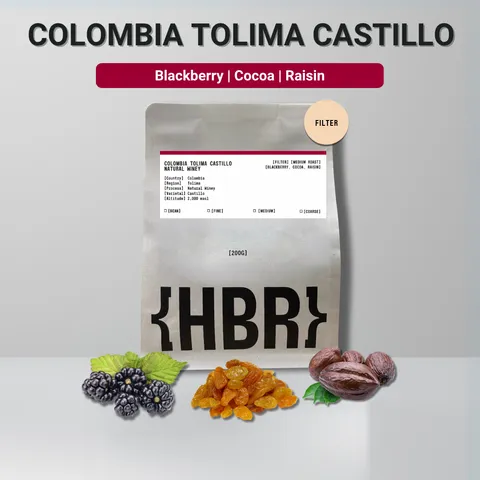
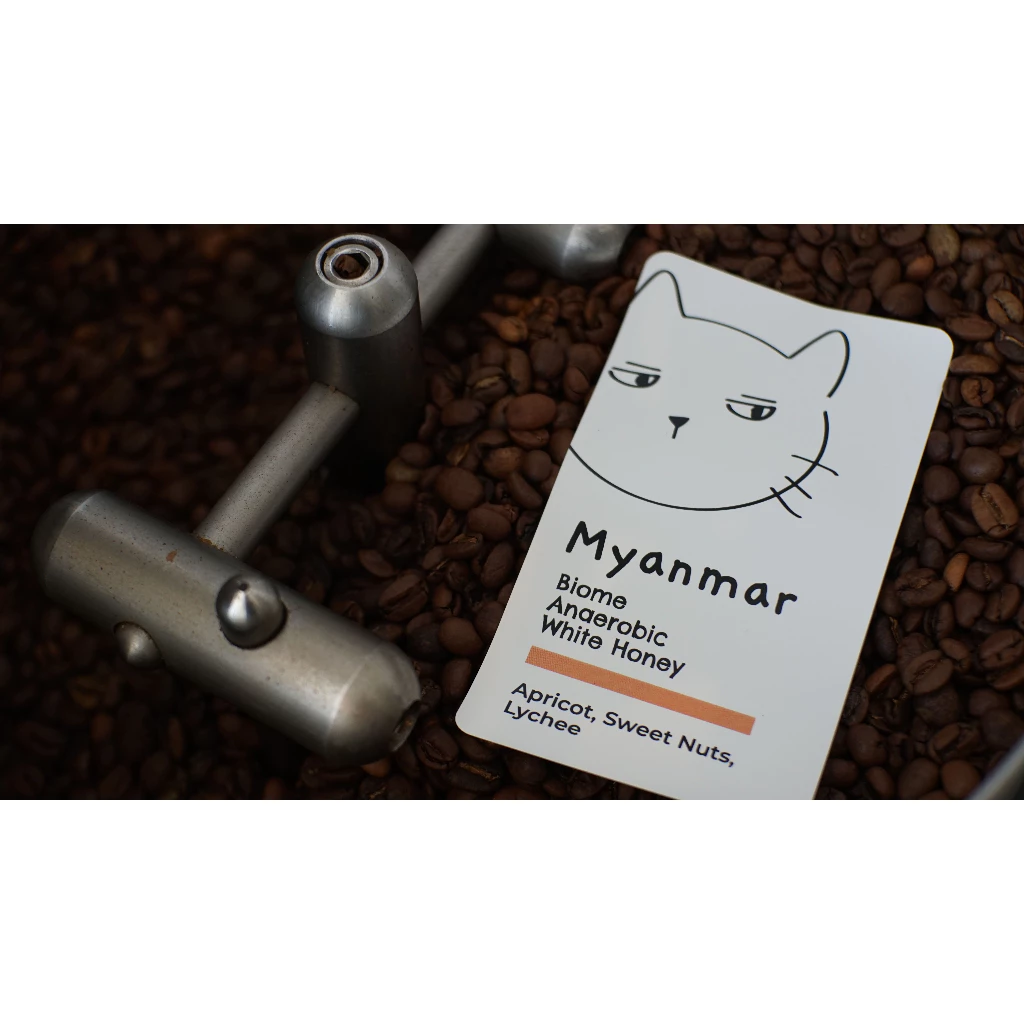
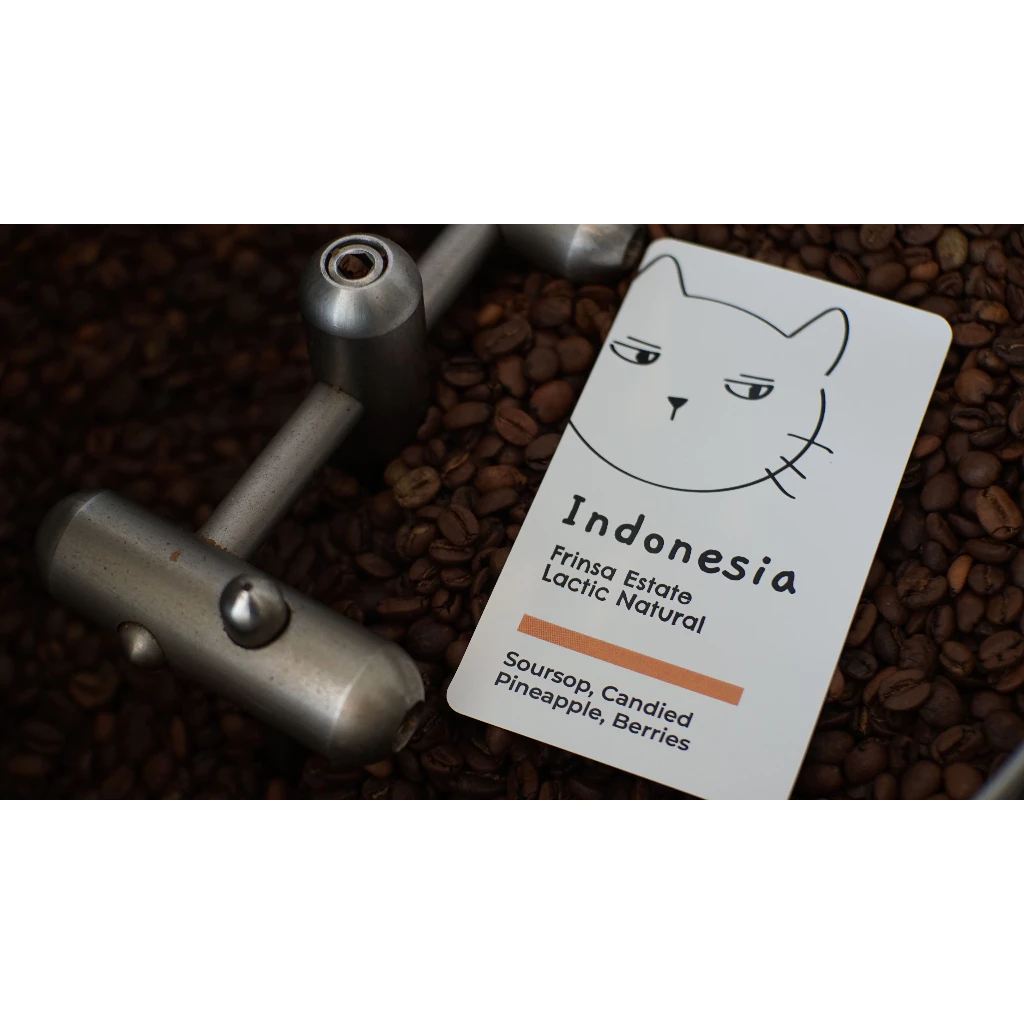
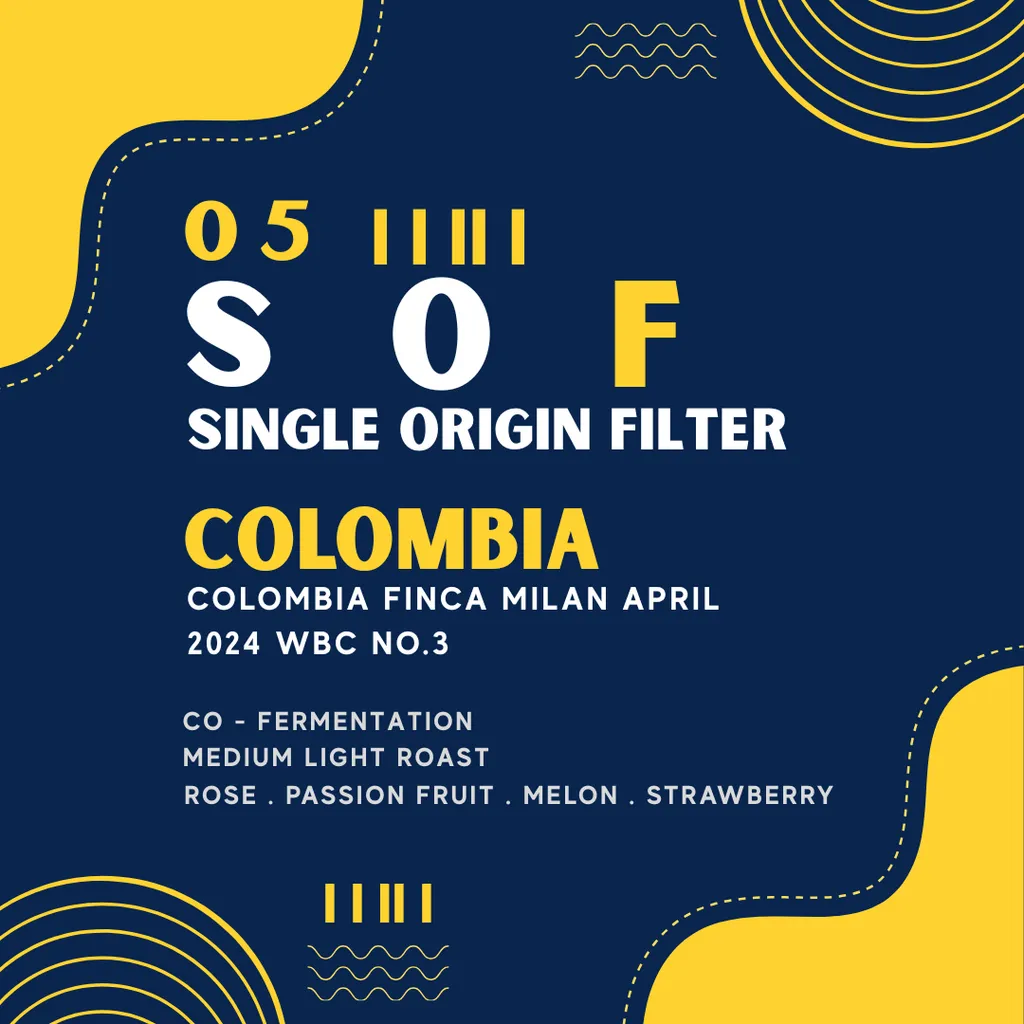









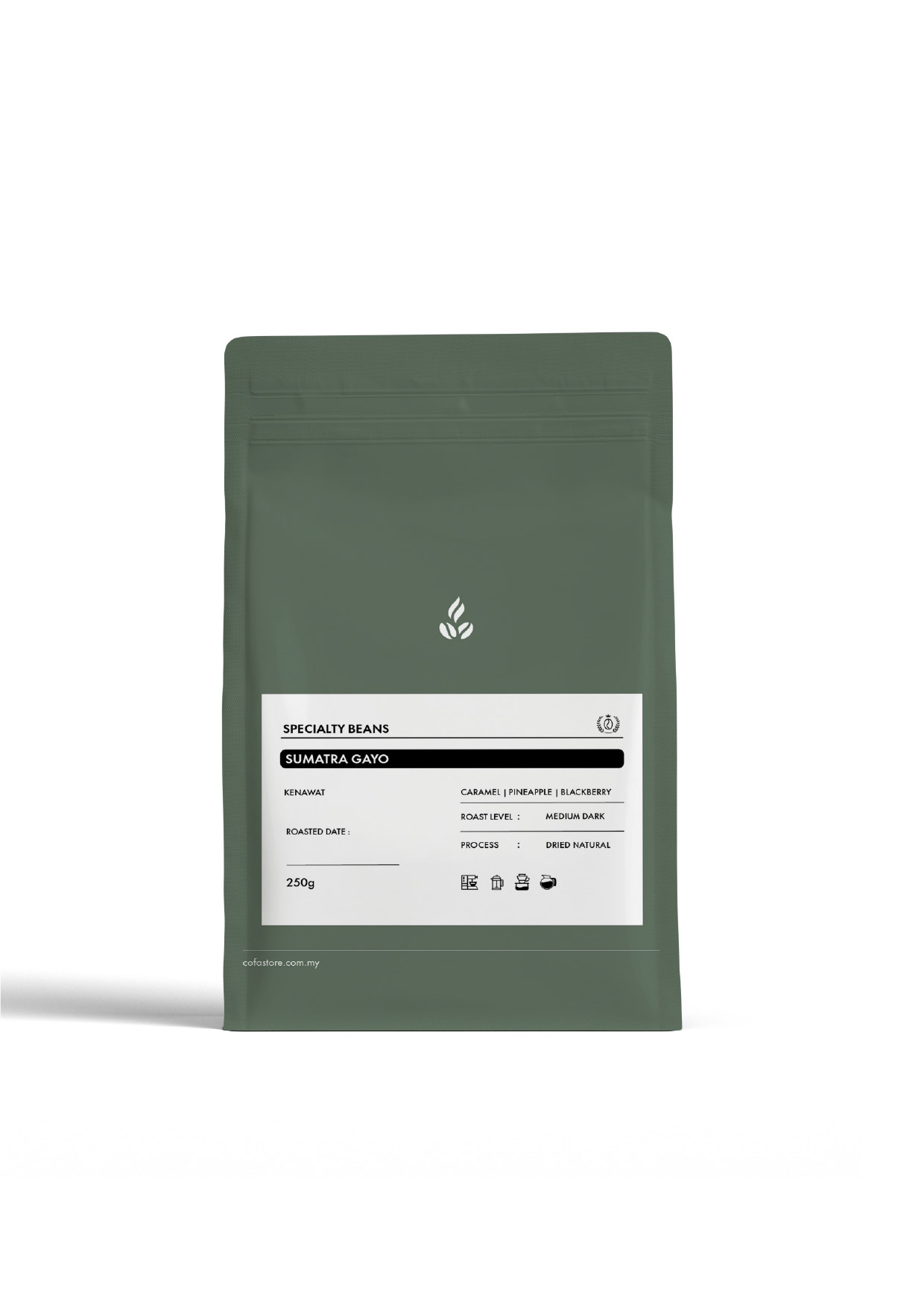

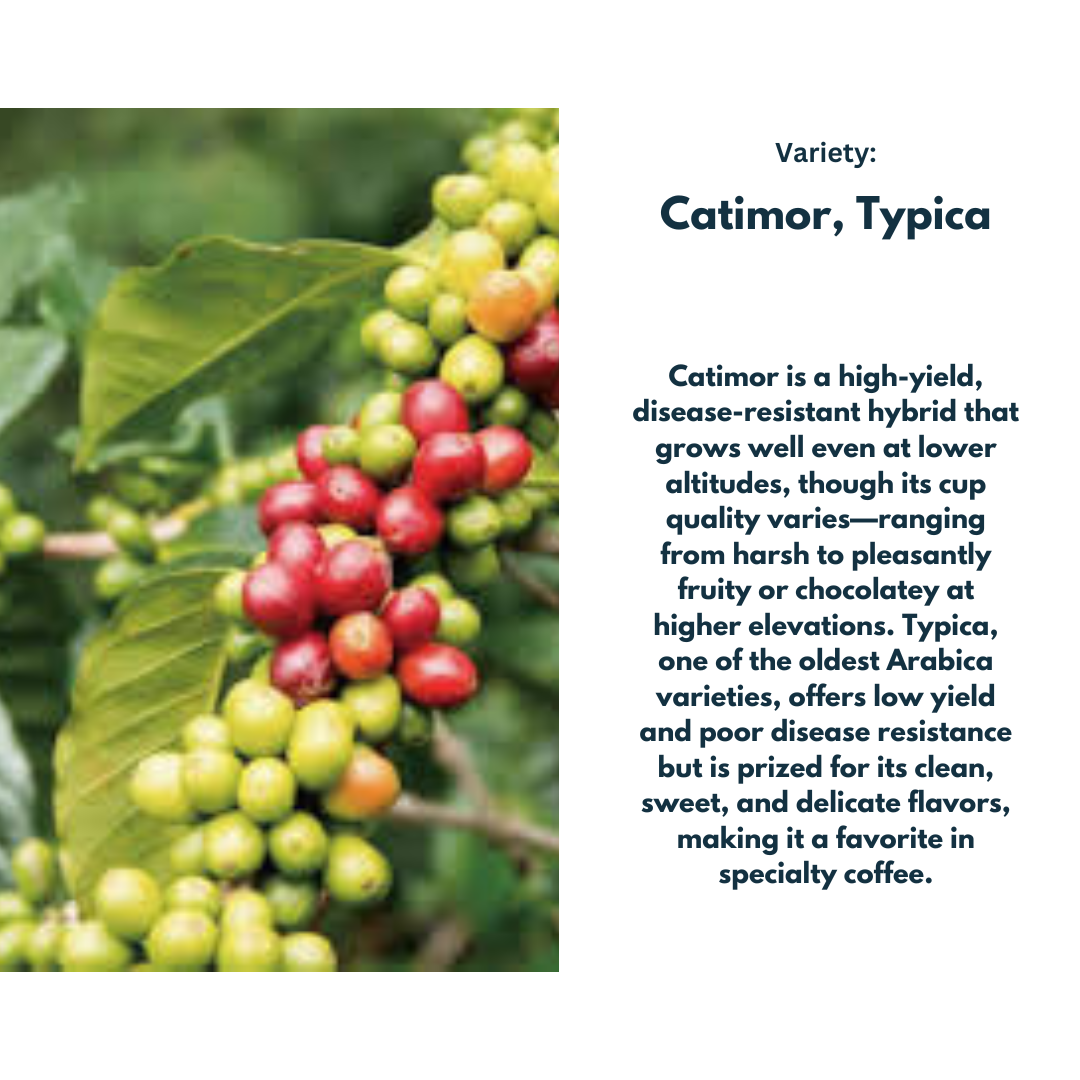
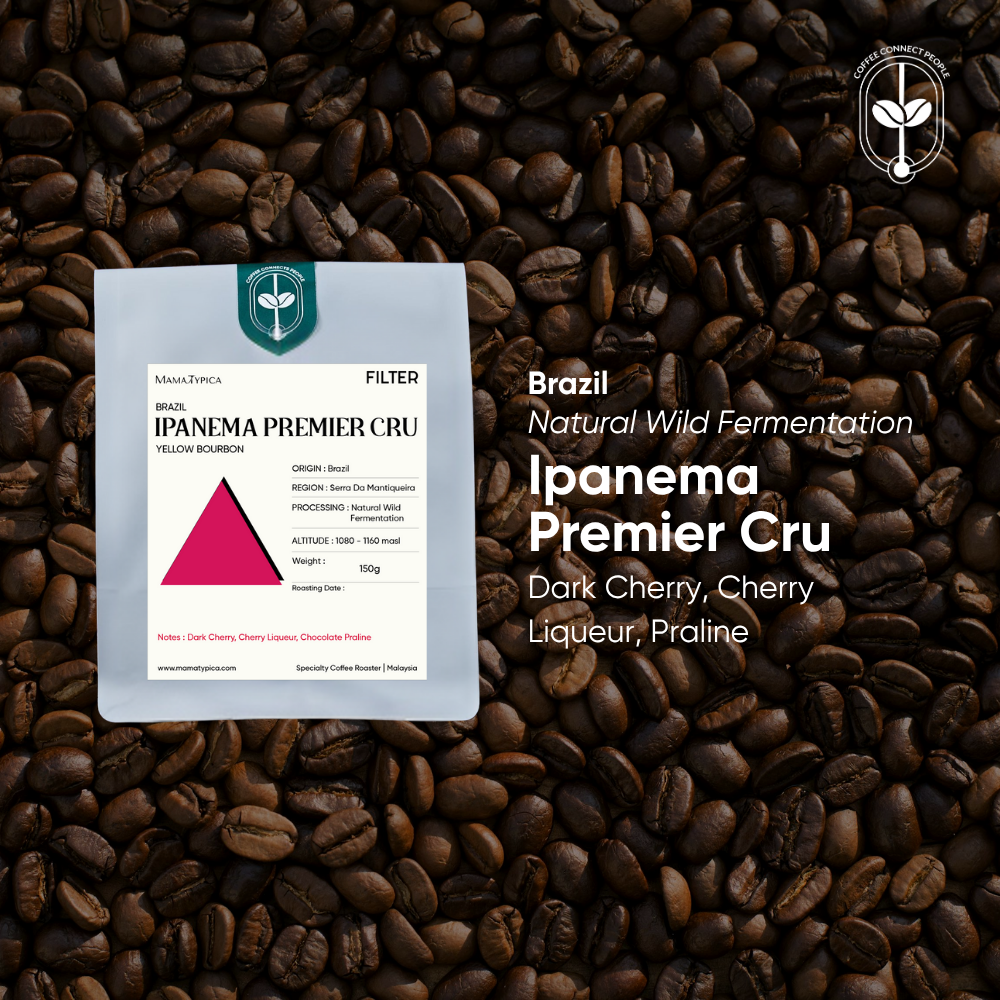
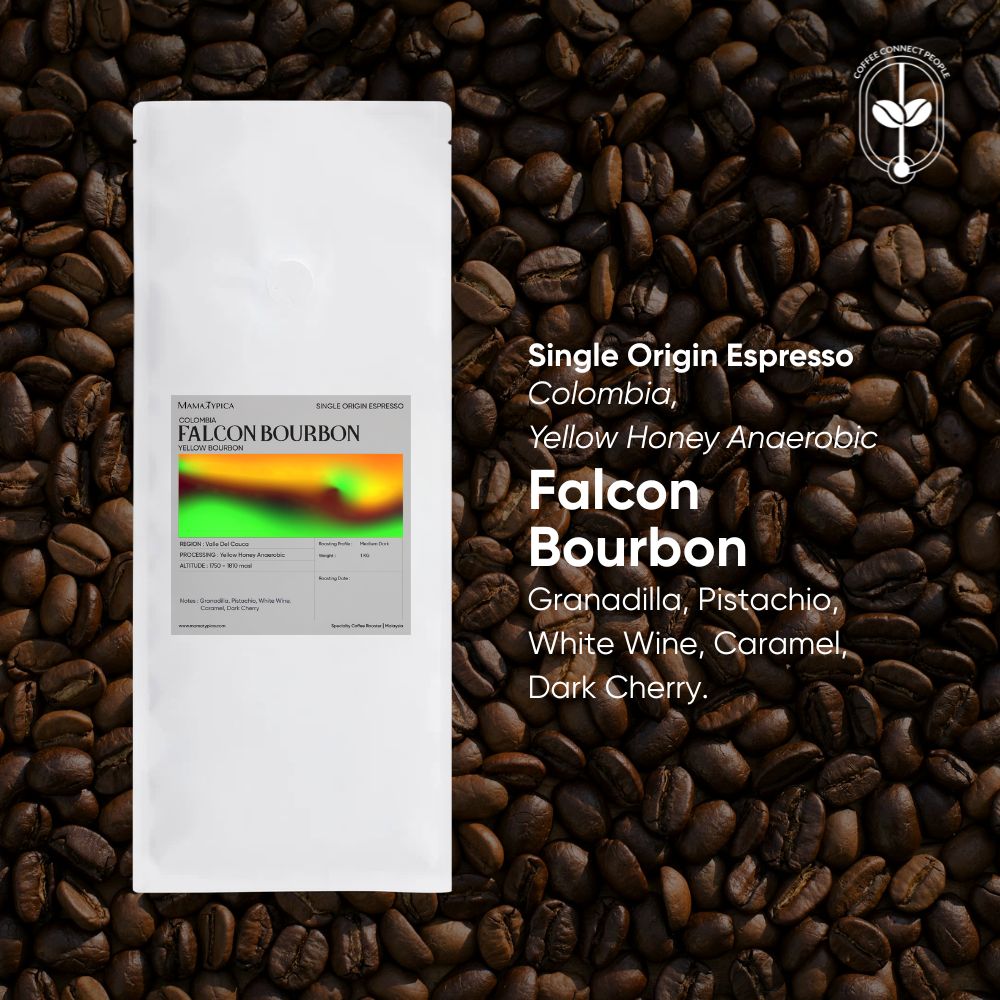







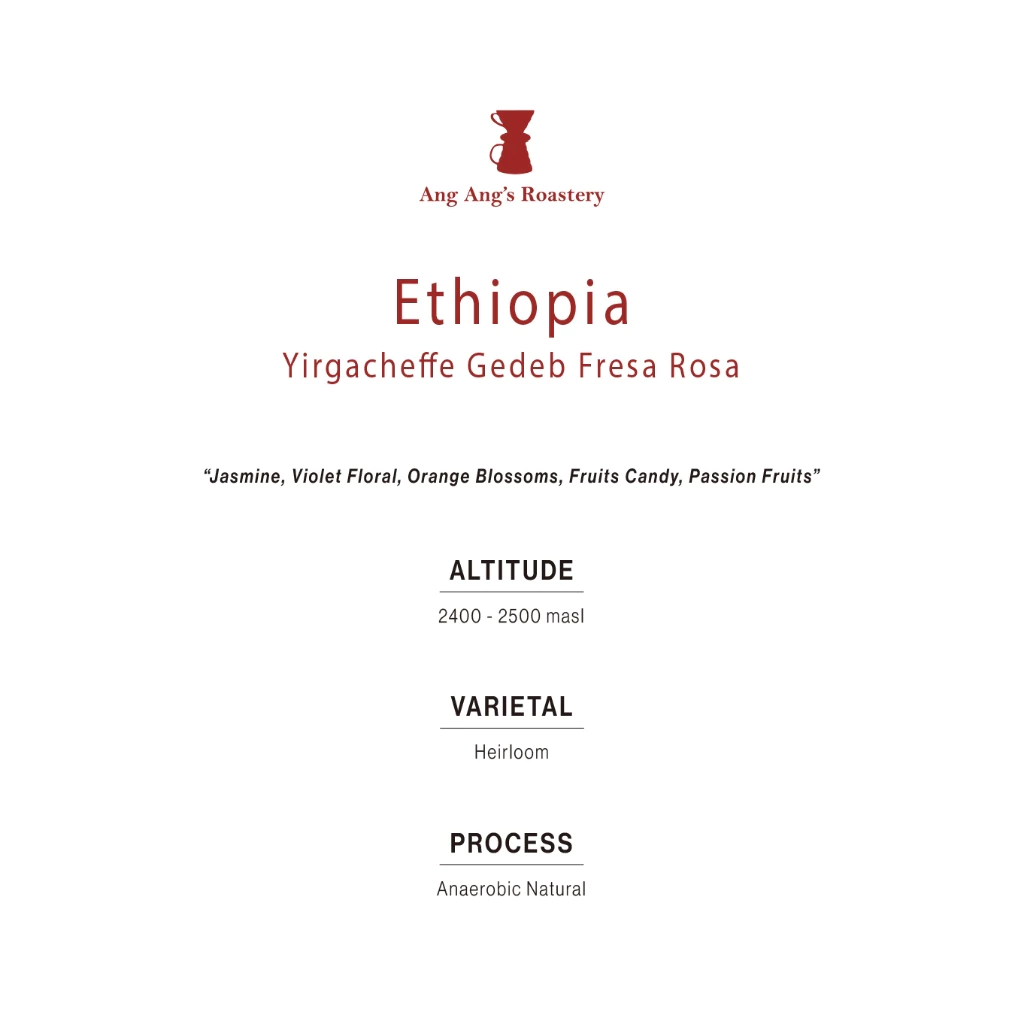
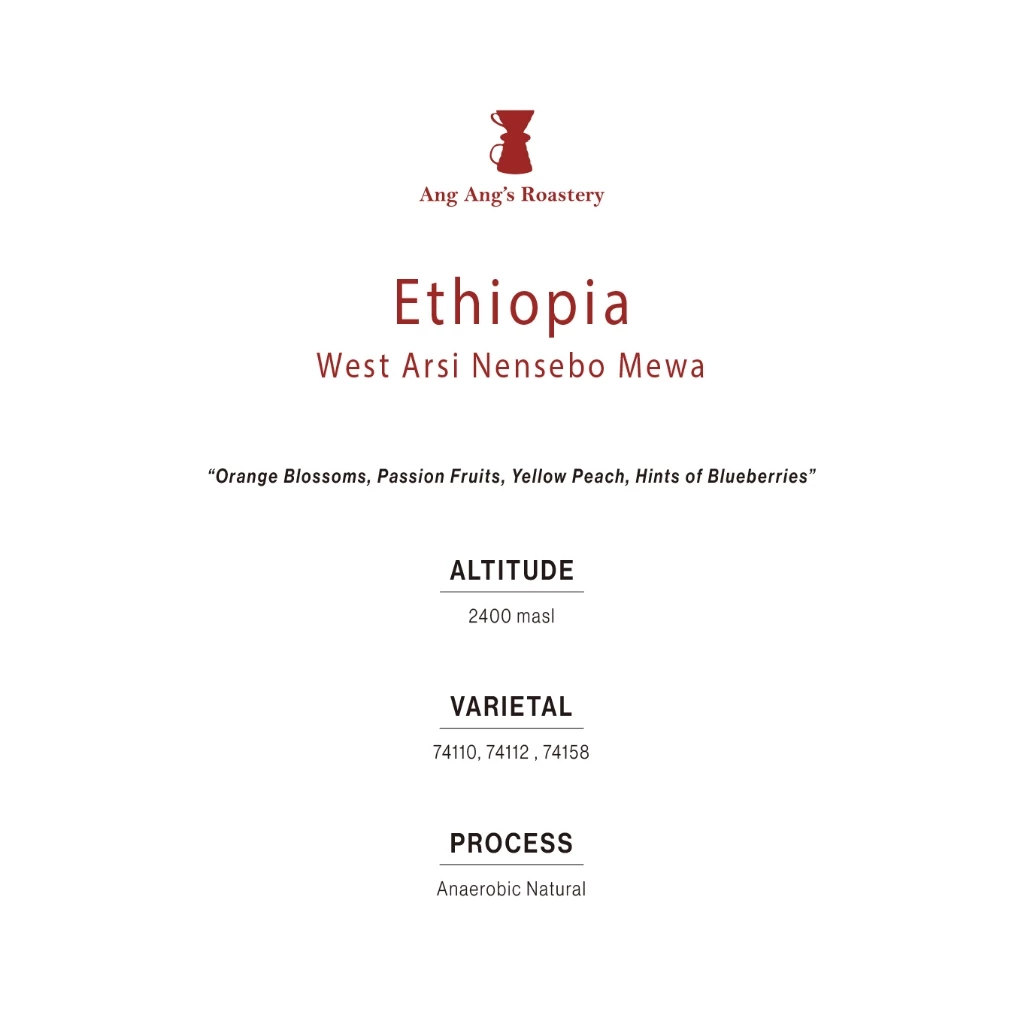
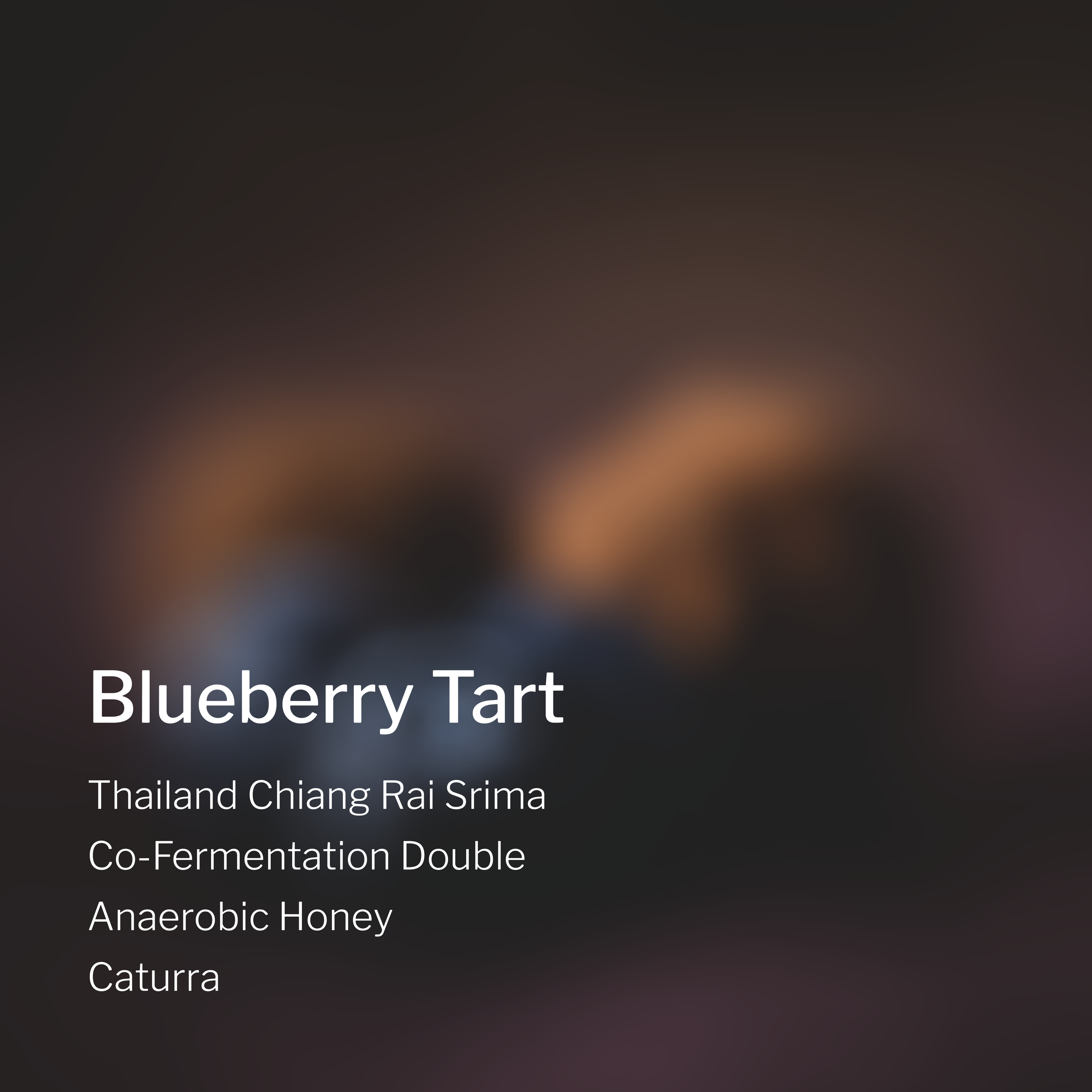




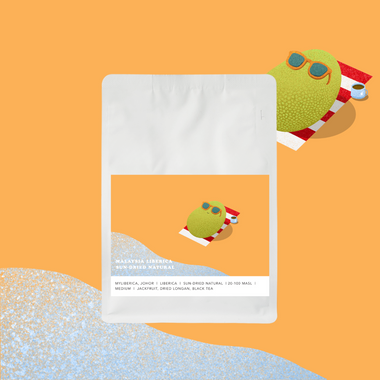

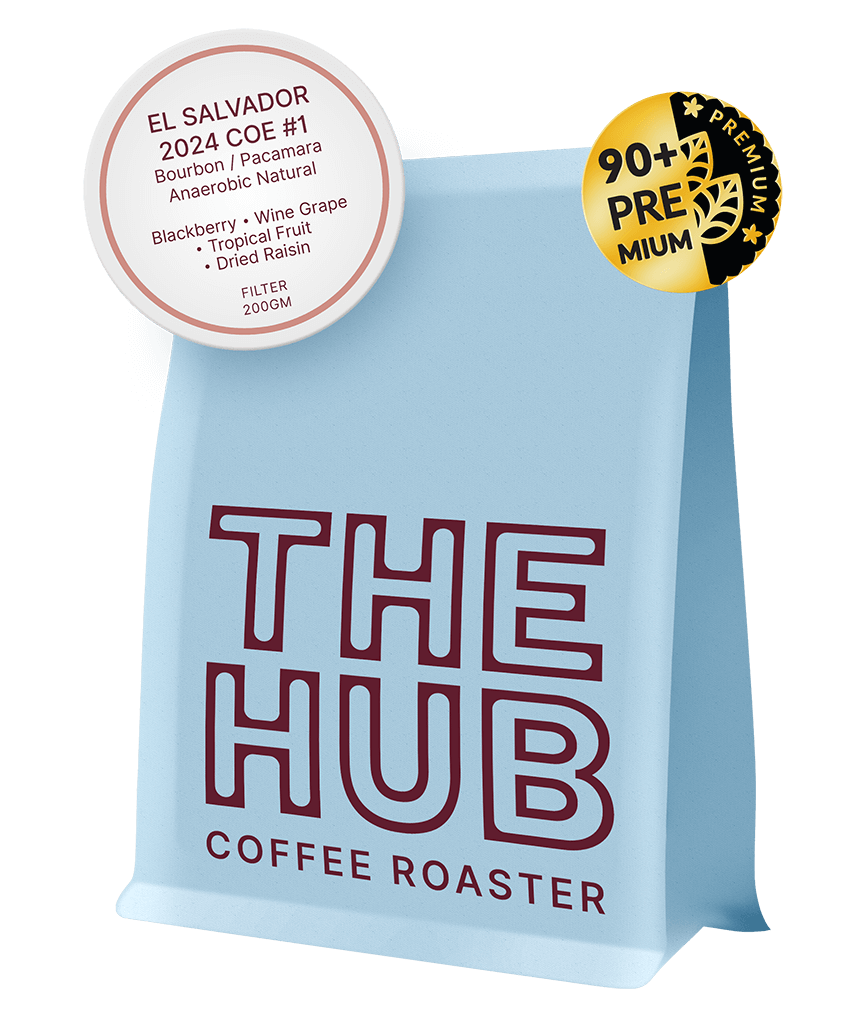
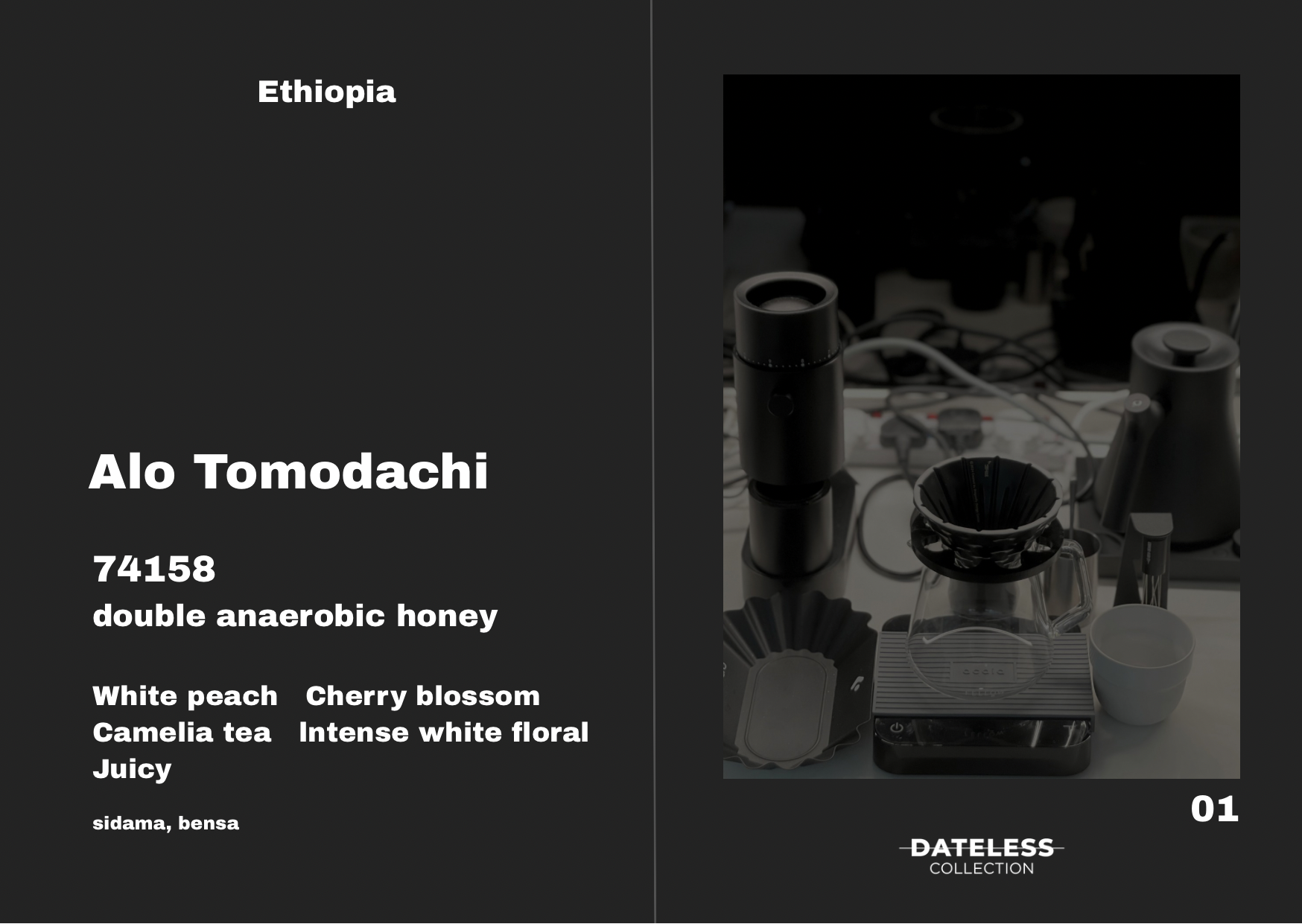


![Dateless Coffee Roaster Panama Altieri Chombi ASD [Single Dose] – specialty coffee beans Malaysia](https://datelesscoffee.com/cdn/shop/files/9DEB460E-BCF0-4D83-BBFE-541A75E69014.png?v=1761529127)
![Dateless Coffee Roaster Panama Hacienda La Esmeralda Lot Bosque 3FC [Esmeralda Special] – specialty coffee beans Malaysia](https://datelesscoffee.com/cdn/shop/files/B295BF70-2604-46AC-A180-5CD23AB68674.png?v=1757255655)

Anaerobic & Fermentation Process Coffee Beans — Frequently Asked Questions
Quick answers from our team and from cuppings across Malaysian roasters.